1931
Born in Rameswaram, Tamil Nadu
Youngest of five siblings in a Tamil Muslim family of modest means. Father: Jainulabdeen, imam and boat owner. Mother: Ashiamma. Delivered newspapers before school every morning.
Dr. Avul Pakir Jainulabdeen Abdul Kalam · 1931 – 2015
A newspaper boy from Rameswaram who helped put India's first satellite in orbit, led its missile programme, and became the 11th President of India.
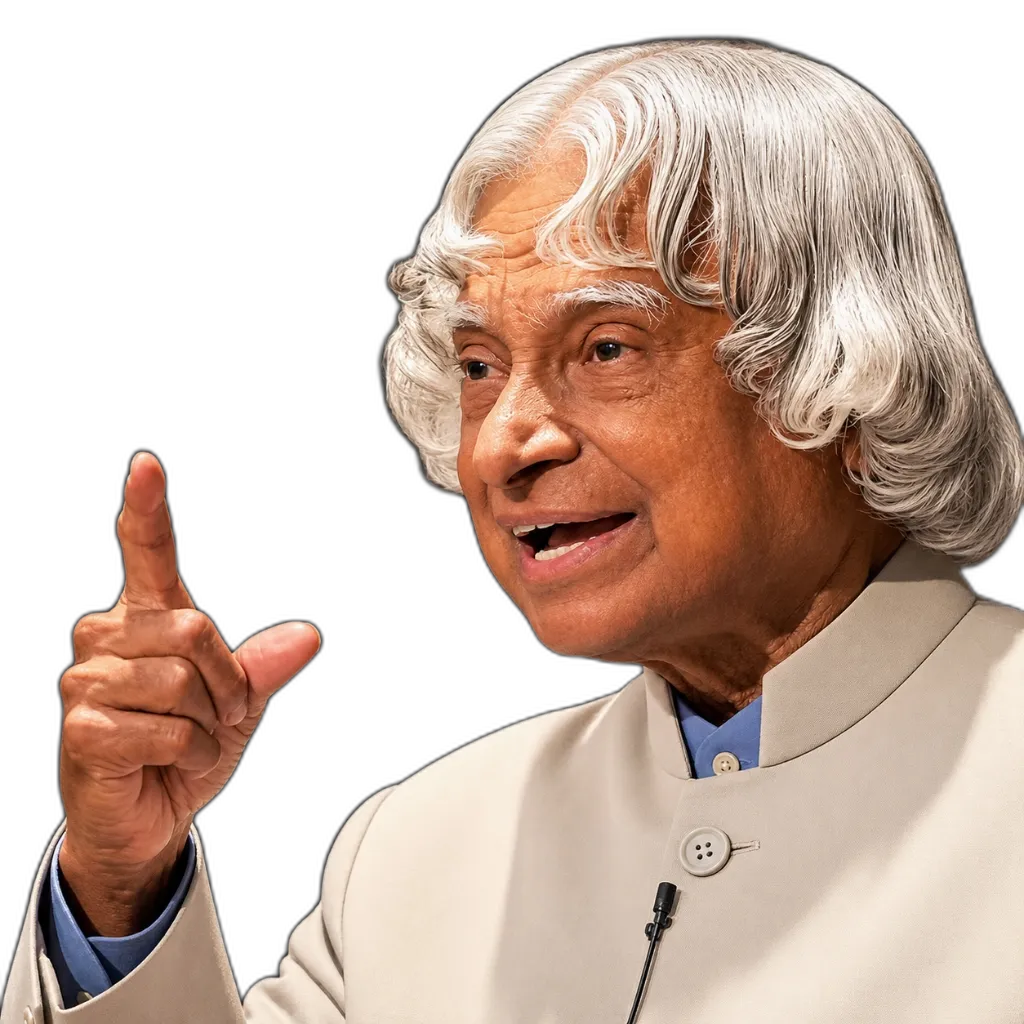
A life shaped by early mornings, borrowed books, and an absolute refusal to believe that where you come from decides where you end up.
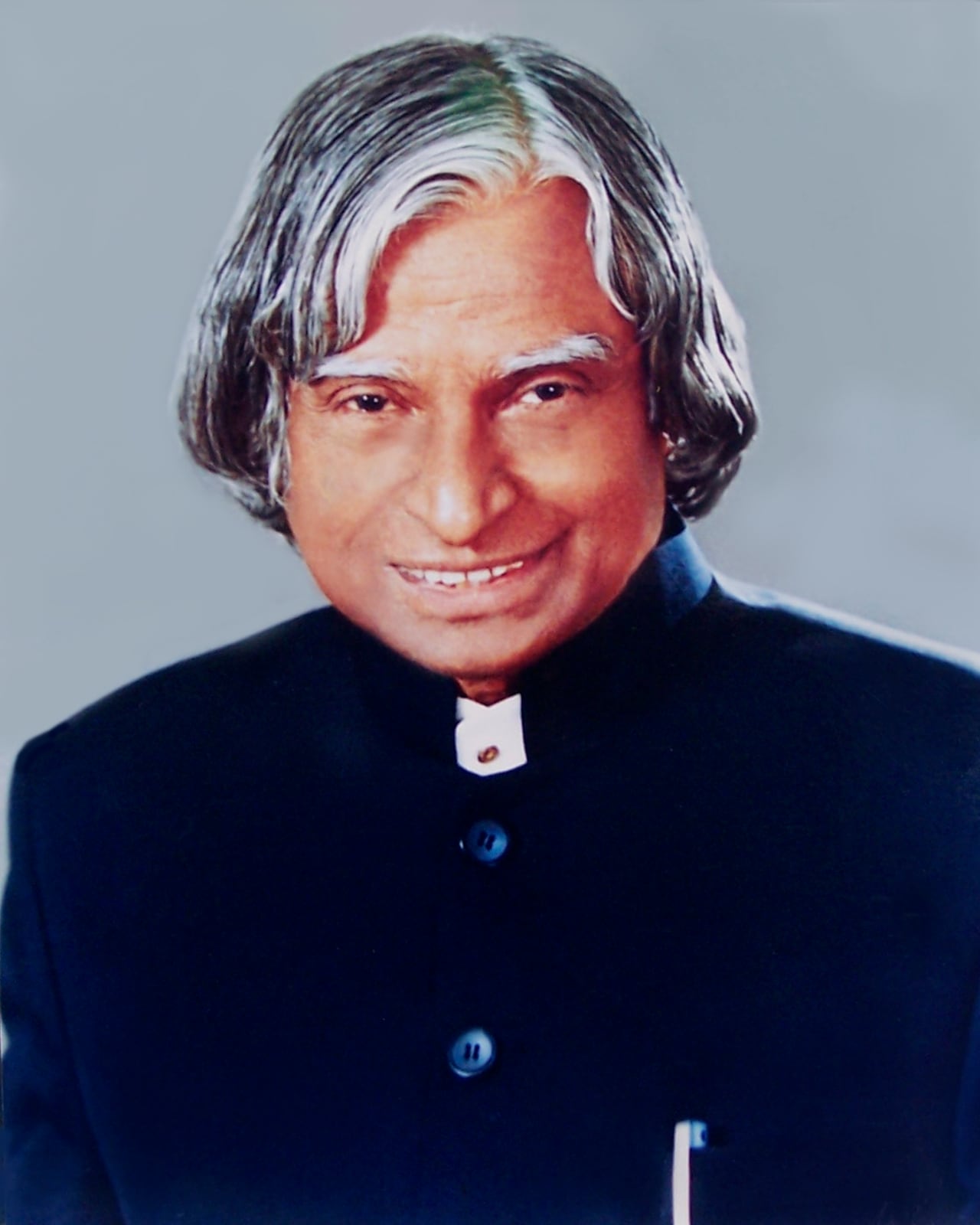
Born on Pamban Island in the pilgrimage town of Rameswaram, Kalam was the youngest of five siblings in a Tamil Muslim family of modest means. His father Jainulabdeen was a devout imam and boat owner who ferried Hindu pilgrims across the waters. His mother Ashiamma gave him quiet faith and great warmth. Together they gave him something money couldn't: discipline, honesty, and a natural respect for every tradition.
To support the family, the young Kalam rose before dawn to deliver newspapers, a routine he carried without complaint. When he missed the IAF pilot selection by a single seat, it didn't break him. It redirected him into something far larger than himself.
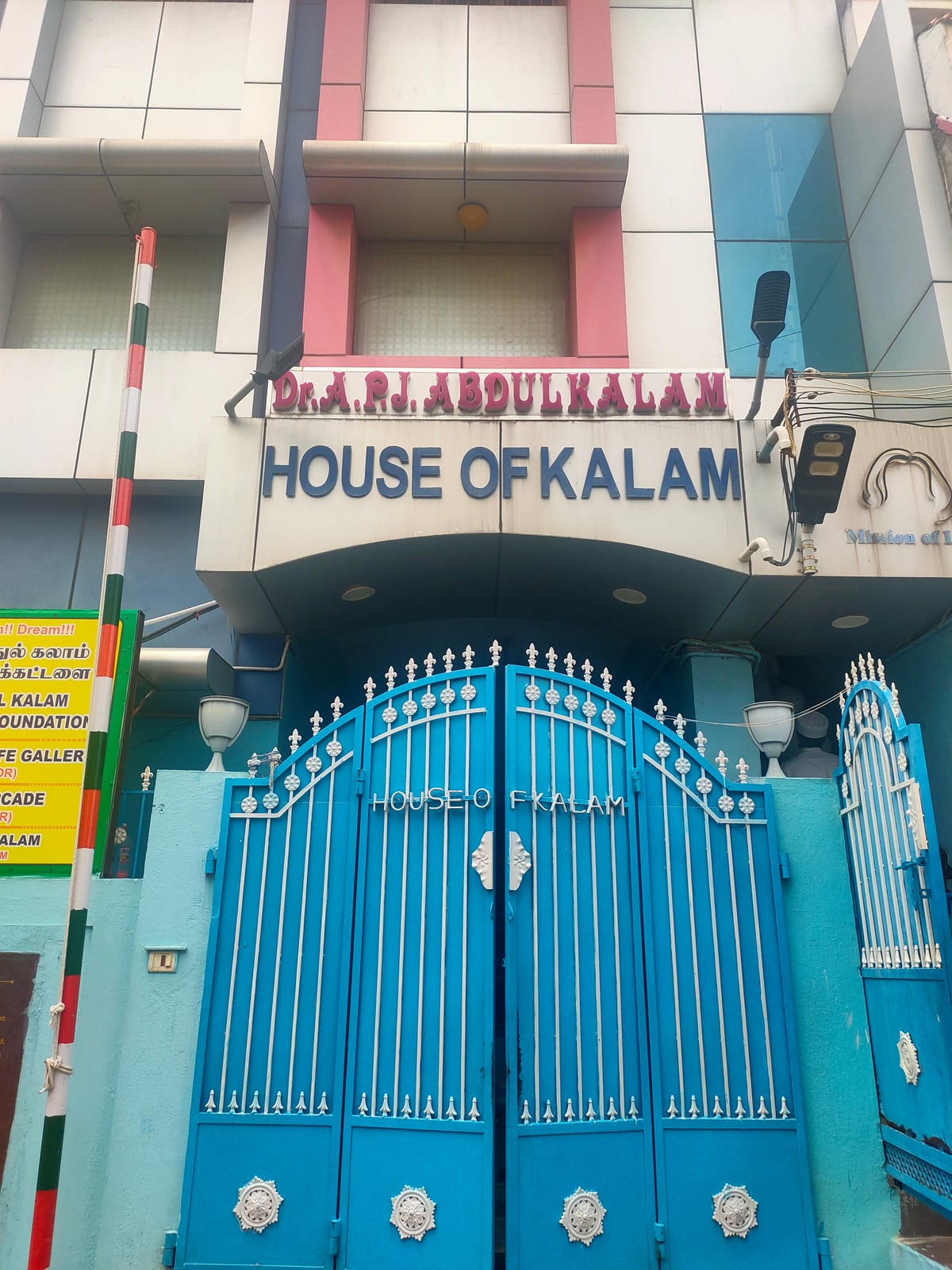
After Aerospace Engineering at MIT Chennai in 1958, Kalam joined DRDO. By 1969 he moved to ISRO, working alongside Dr. Vikram Sarabhai. As Project Director of SLV-III, he led the team that on 18 July 1980 placed the Rohini satellite into orbit, making India one of only six nations capable of indigenous satellite launches.
Through the 1980s and 90s he spearheaded the Integrated Guided Missile Development Programme at DRDO, producing the Prithvi, Agni, Akash, Trishul, and Nag missiles. He became Principal Scientific Adviser in 1999 and played a central role in the Pokhran-II nuclear tests in 1998.
After leaving Rashtrapati Bhavan in 2007, Kalam returned to what he considered his truest calling: teaching. He joined IIMs across the country as a visiting professor. On 27 July 2015, mid-lecture at IIM Shillong on creating a liveable planet, he collapsed and was pronounced dead from cardiac arrest. He was buried with full state honours in Rameswaram, the soil of his birth and his final resting place.
From a newspaper delivery boy on Pamban Island to the highest constitutional office in India, with every step deliberate and every setback redirected.
Youngest of five siblings in a Tamil Muslim family of modest means. Father: Jainulabdeen, imam and boat owner. Mother: Ashiamma. Delivered newspapers before school every morning.
Graduated from MIT Chennai with a specialization in aeronautical engineering. When he missed the Indian Air Force pilot selection by a single seat, he channelled his lifelong fascination with flight directly into India's indigenous aerospace capability.
A turning point he described as the most formative of his scientific career. Appointed Project Director of SLV-III, India's first indigenous satellite launch vehicle.
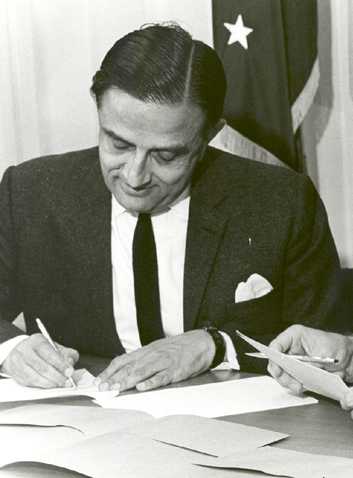
18 July 1980. India joins six nations capable of indigenous satellite launches. Kalam described this as the proudest moment of his scientific life.
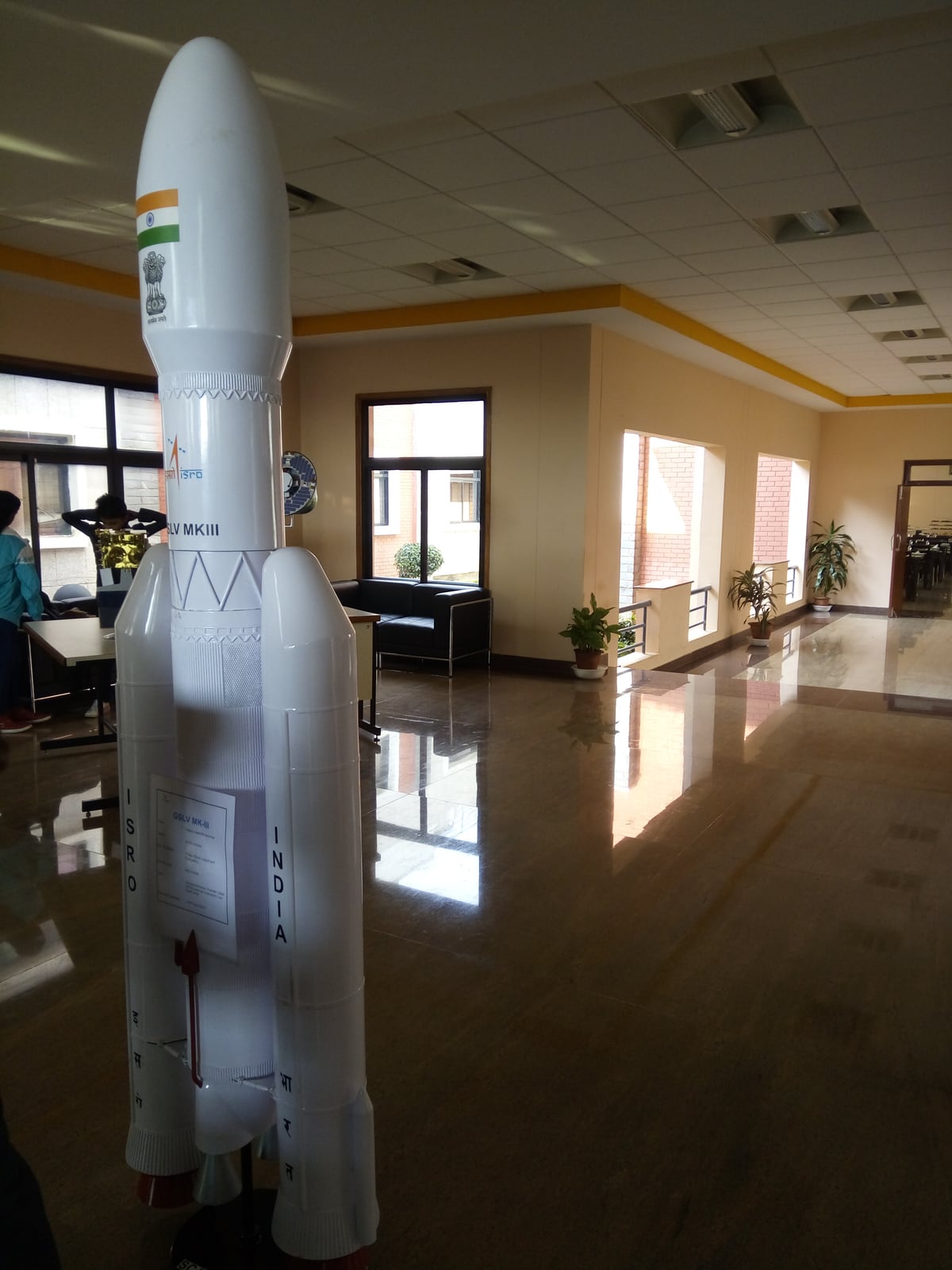
Integrated Guided Missile Development Programme. Prithvi, Agni, Akash, Trishul, Nag. India ends dependence on foreign missile technology. The title "Missile Man of India" is born.
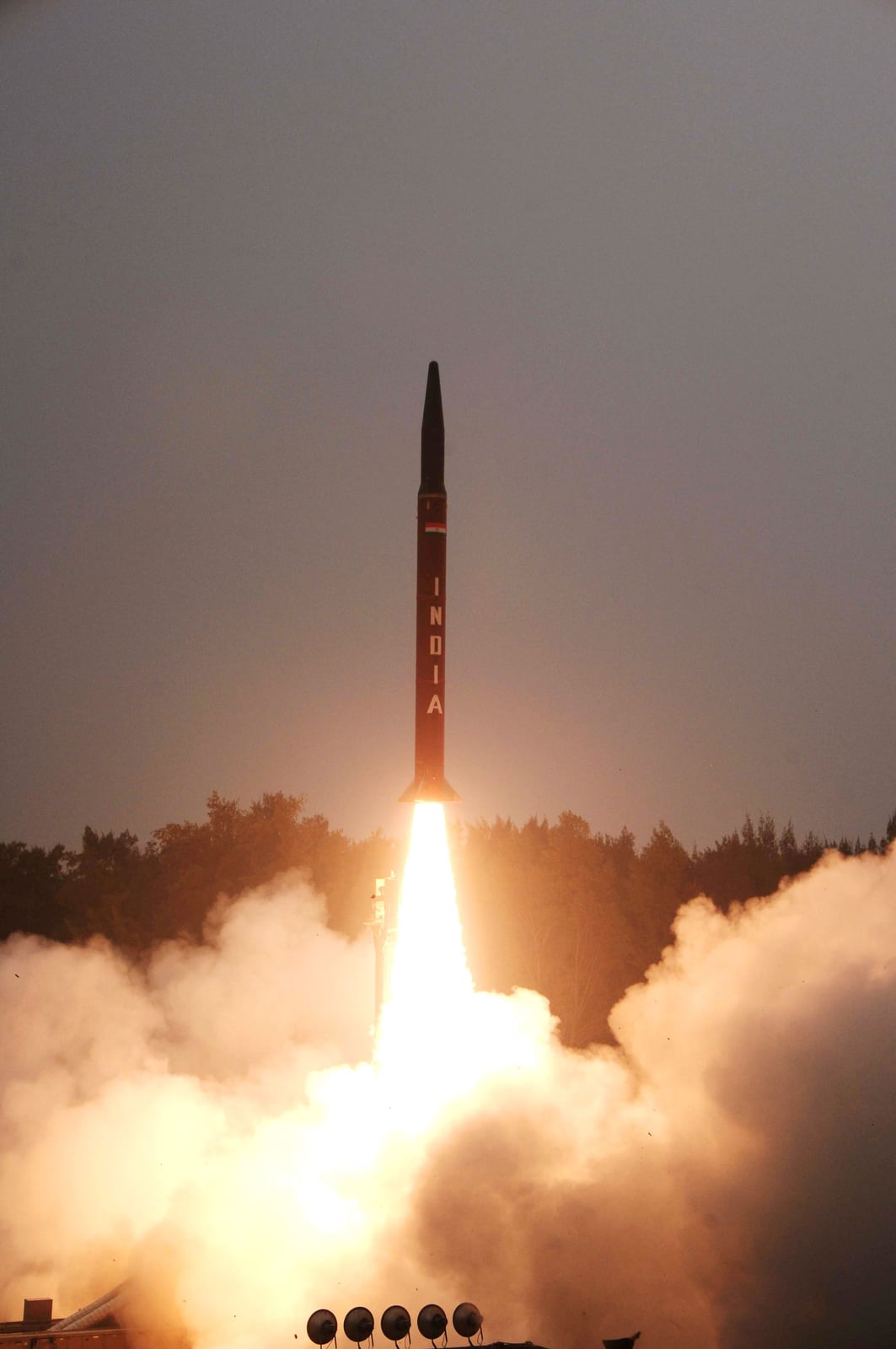
Awarded by President K.R. Narayanan. A recognition of four decades of unbroken service to Indian science and defence.
Operation Shakti: chief technical coordinator alongside Dr. R. Chidambaram. Same year: developed India's first indigenous coronary stent with Dr. Soma Raju, making cardiac surgery affordable for millions.
The first scientist, and first unmarried person, to hold the office. Cross-party nomination supported across the political spectrum. The People's President era begins.
Chose not to seek a second term. Said he wanted to go back to his people, especially young minds and classrooms. Lectured prolifically across universities until his final day.
Mid-lecture on 'Creating a Liveable Planet Earth', he collapsed on stage. Pronounced dead at 7:45 PM. Seven days of national mourning. Buried in Rameswaram with full state honours.
Five pillars. A 20-year plan. A belief that every Indian village deserved what every Indian city had.
Kalam believed urban migration and rural poverty were two sides of the same problem. His PURA model (Providing Urban Amenities to Rural Areas) proposed rural-urban clusters that would bring connectivity, infrastructure, and economic opportunity directly to villages.
A quiet inversion of conventional development thinking: don't bring people to opportunity. Bring opportunity to people.
Dr. Kalam was a passionate advocate for environmental sustainability long before it became fashionable. He consistently urged students, institutions, and government bodies to treat tree-planting not as ceremony but as responsibility: a gift to the generation that follows.
He spoke of a green India not just as a metaphor for prosperity, but as a literal goal: more forest cover, cleaner air, sustainable agriculture. His PURA model was inseparably linked to ecological thinking: rural development that works with the land, not against it.
"Plant a tree today. It will give shade long after you are gone."
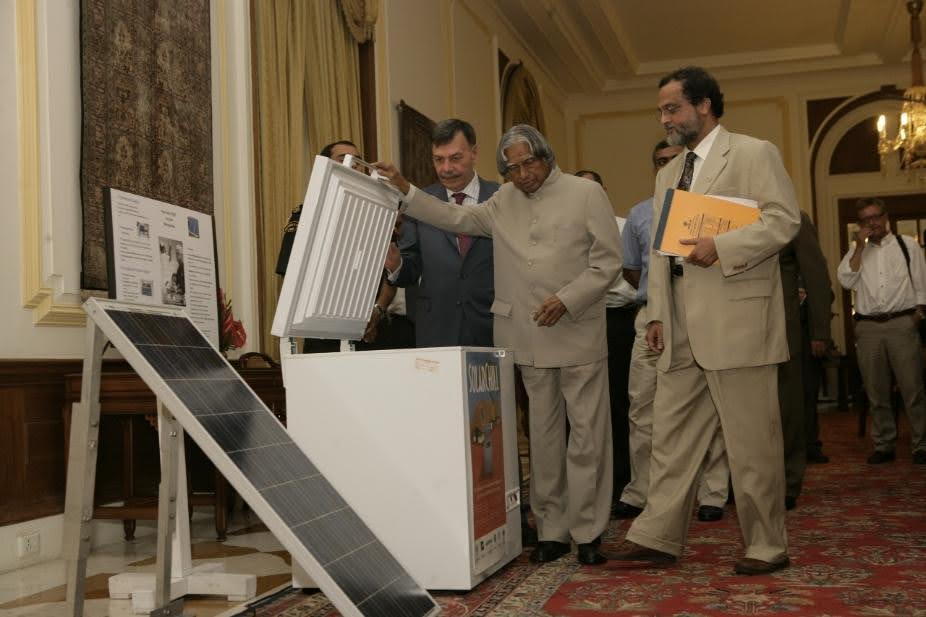
Regularly initiated and participated in plantation drives across the country, urging every youth to plant and nurture at least five saplings
Advocated strongly for solar power as India's sovereign path to clean energy, decades ahead of global policy consensus.
PURA was founded on ecological principles, advancing rural prosperity while preserving the natural ecosystems that sustain life.
He asked every citizen to plant and care for trees. Add one here in his memory; your grove is saved on this device for your next visit.
From a small hovercraft to missiles that changed South Asia's strategic balance, along with a coronary stent that made cardiac surgery affordable for millions.
As Project Director, Kalam led the team that placed the Rohini RS-1 satellite into orbit on 18 July 1980, making India one of only six nations with homegrown orbital launch technology. He considered it the proudest moment of his scientific career.
Launched in 1983, ended India's dependence on foreign missile technology:
Chief technical coordinator of Operation Shakti, India's second nuclear test series. Declared India a nuclear-weapon state and secured a deterrence capability that shaped foreign policy ever since.
With cardiologist Dr. Soma Raju, developed India's first indigenous coronary stent in 1998, which was dramatically cheaper than imports. In 2012, co-designed a rugged low-cost tablet for rural healthcare workers. Technology at the service of ordinary people.
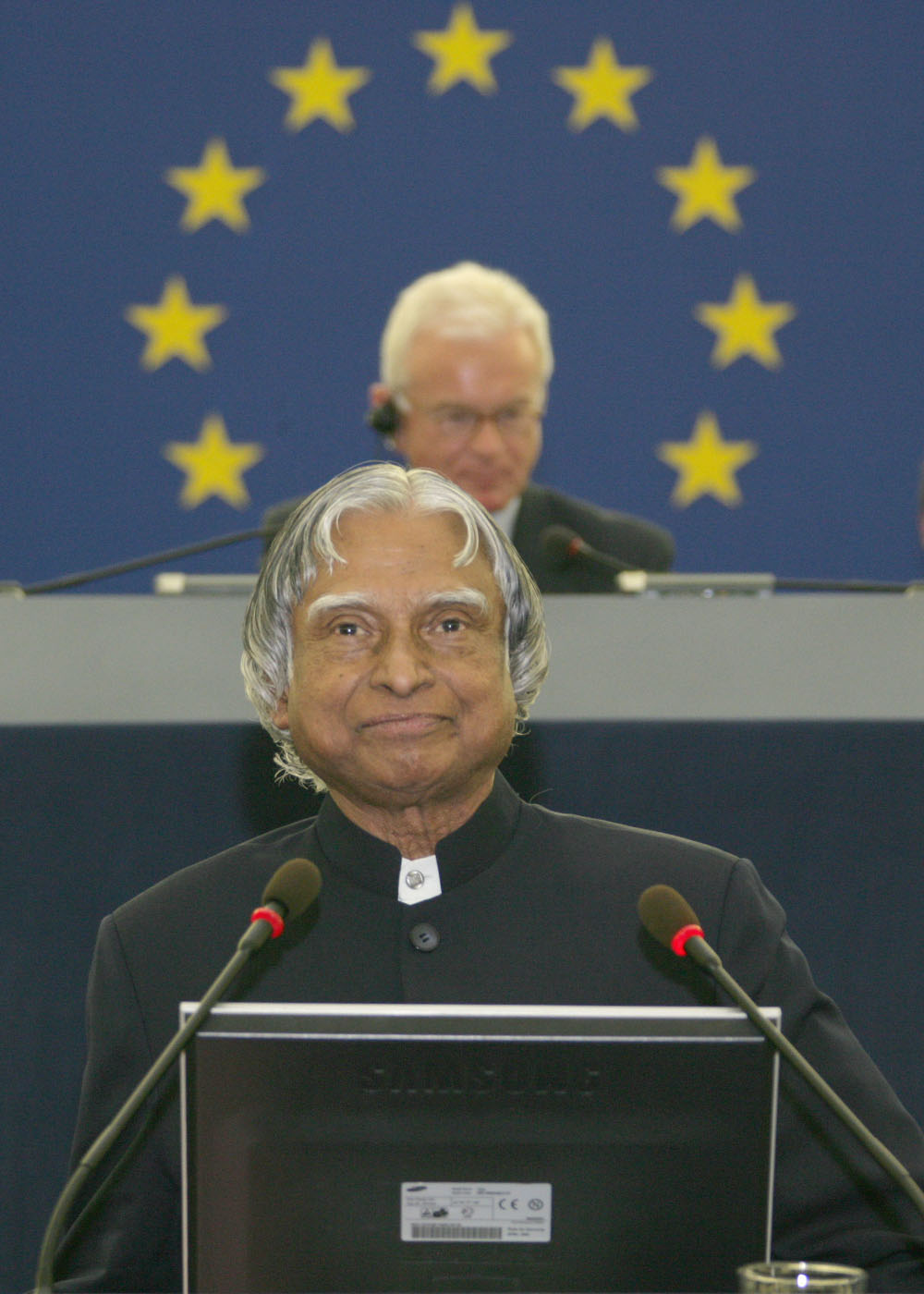
From 2002 to 2007, the first scientist to hold India's highest office turned a ceremonial role into something the nation hadn't seen before.
In 2002, the ruling coalition nominated Kalam as its presidential candidate in an unprecedented demonstration of cross-party consensus, supported enthusiastically across party lines. He won with an overwhelming mandate and took office on 25 July 2002.
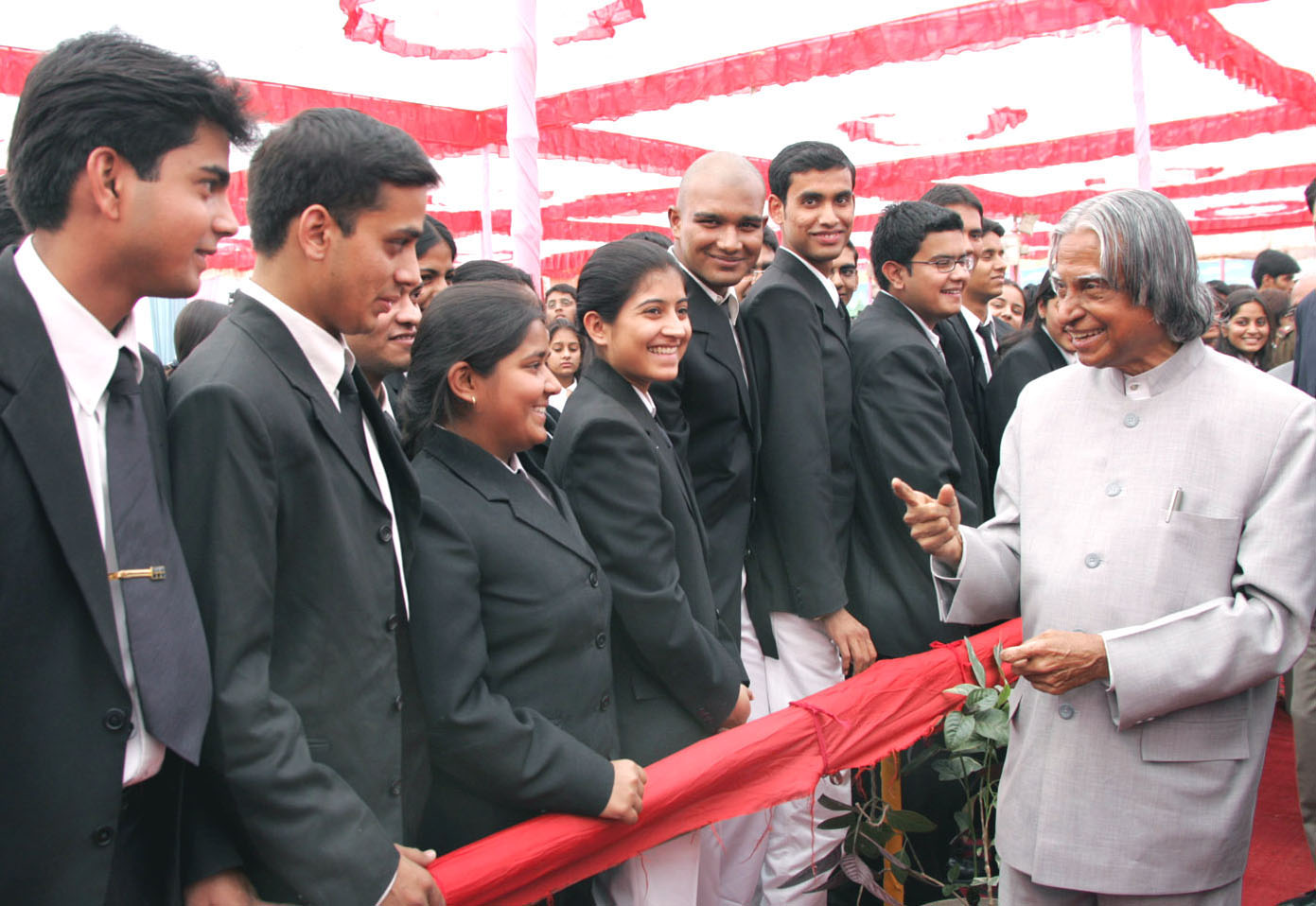
His presidency transformed the highest office from ceremonial detachment into accessible, moral leadership. He opened Rashtrapati Bhavan to ordinary citizens, spent tireless days visiting schools and universities nationwide, and listened to farmers, students, and workers with the exact reverence he accorded world leaders.
"Teaching is a very noble profession that shapes the character, calibre, and future of an individual. If the people remember me as a good teacher, that will be the biggest honour for me."
A scientist who wrote with the warmth of a poet, finding in words a different, equally valid way to ignite minds across generations.
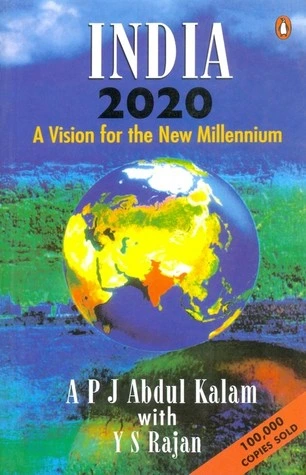
Co-authored with Dr. Y.S. Rajan. A structured policy roadmap identifying five core sectors for India's technological and economic transformation. It served as a foundational blueprint across business, education, and policymaking.
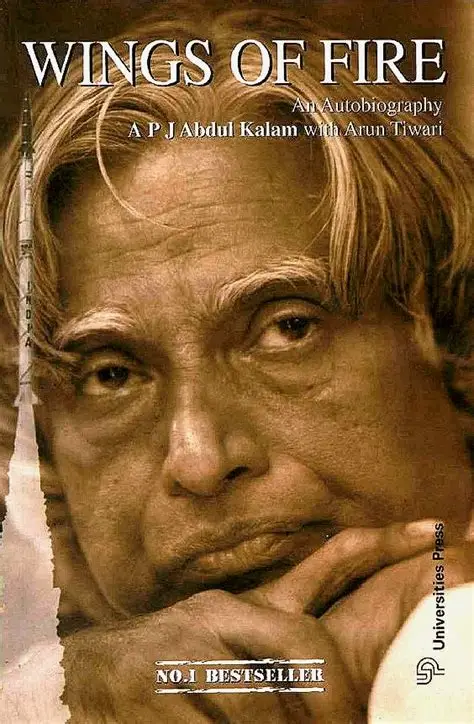
One of the most widely read memoirs in modern Indian publishing history. A candid, humble account spanning his early roots in Rameswaram to the forefront of India's aerospace and missile breakthroughs. Translated into over 13 languages.
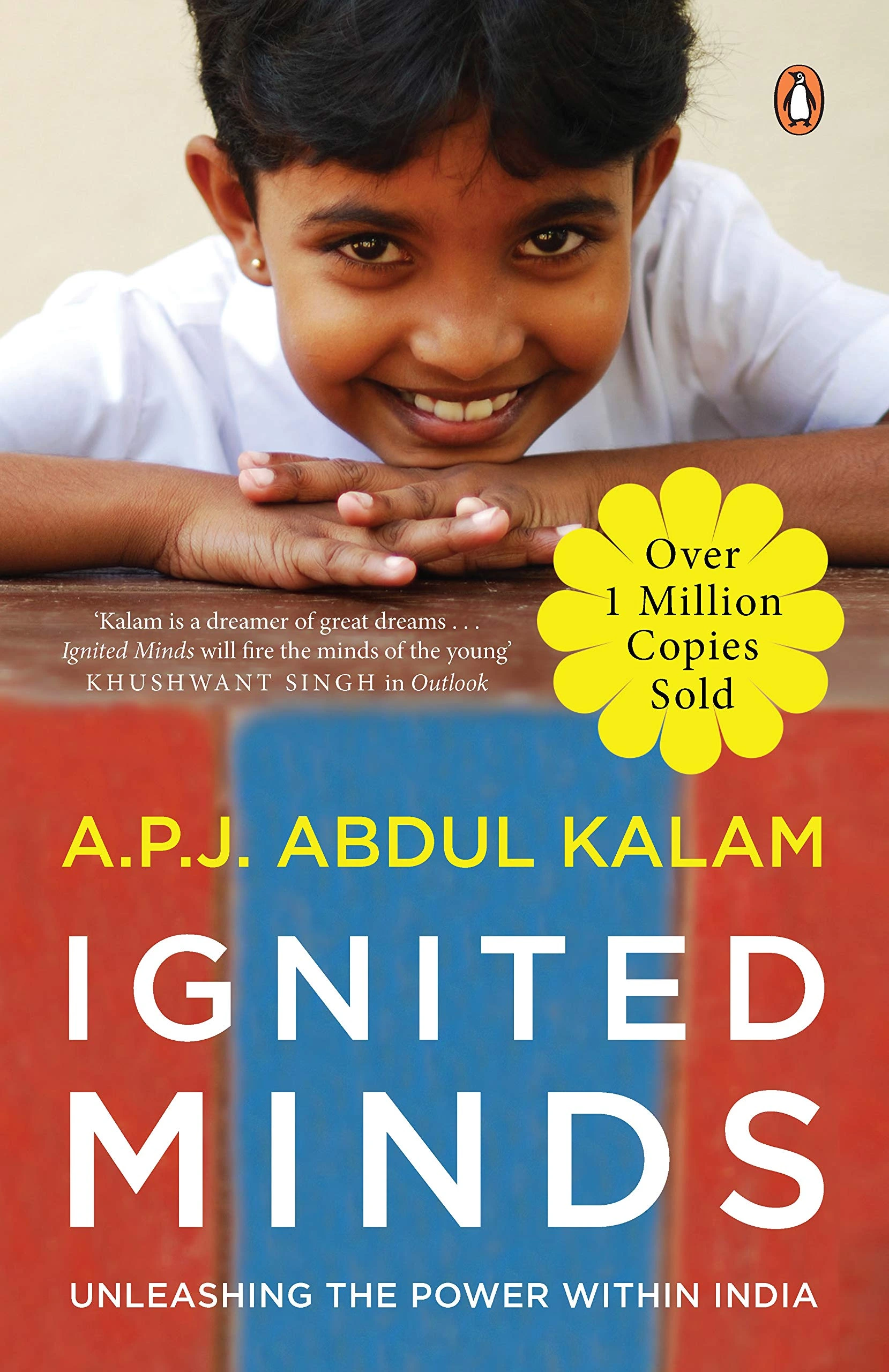
His most passionate manifesto, serving as a clarion call to Indian youth to imagine, aspire, and act without fear. Kalam argued that purposeful young energy is any nation's single greatest untapped asset.
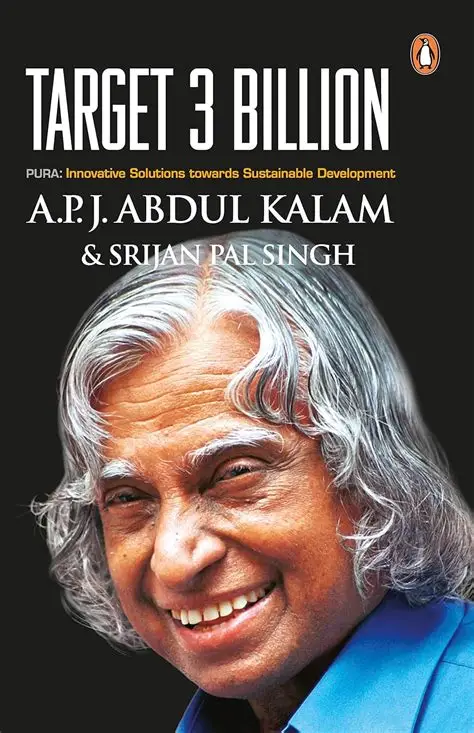
Co-authored with Srijan Pal Singh. Expands the PURA model to the developing world, demonstrating how sustainable rural connectivity and ecological balance can lift three billion rural citizens out of poverty.
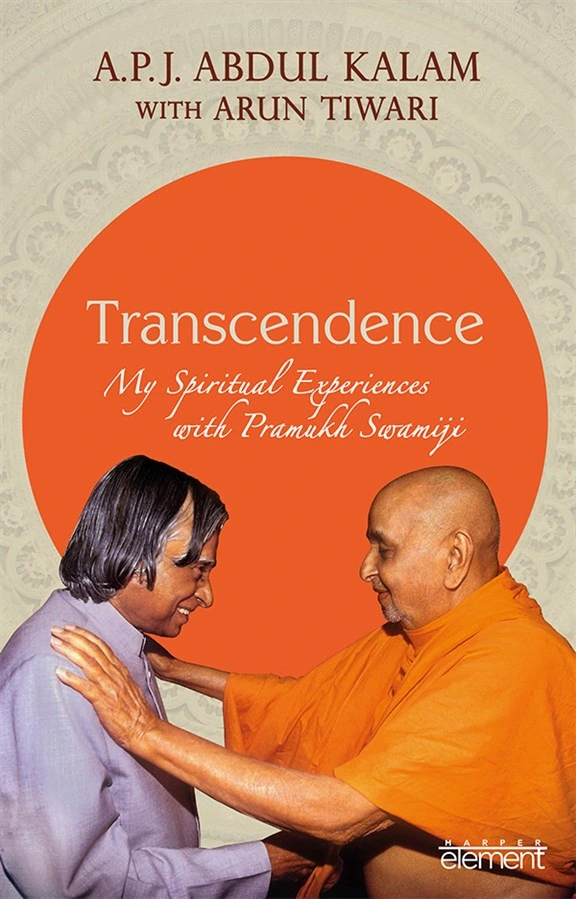
His deeply personal book, recording a 14-year spiritual friendship with Pramukh Swami Maharaj. Published in the final months of his life, it reveals the profound ethical and spiritual grounding behind the public scientist.
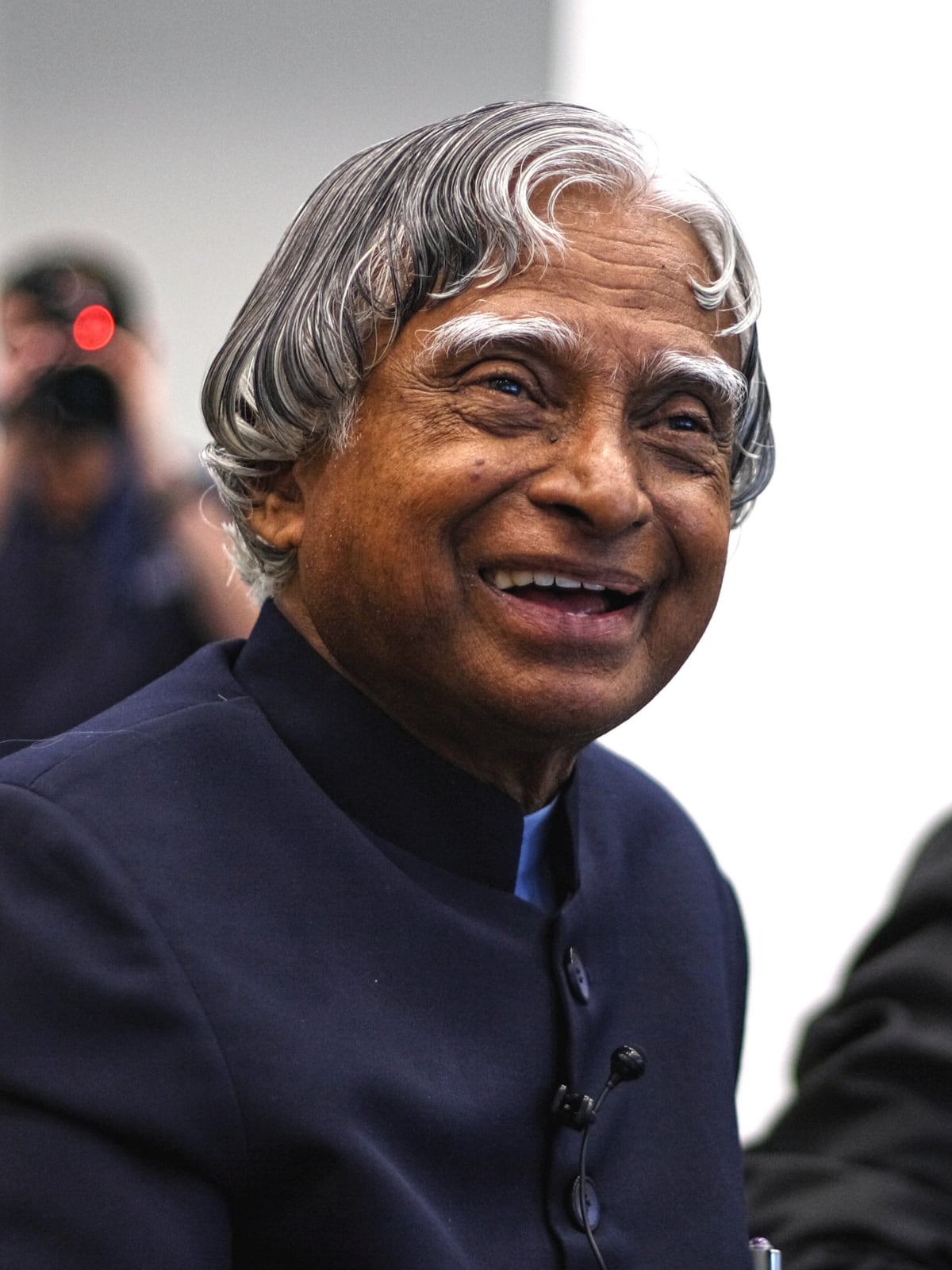
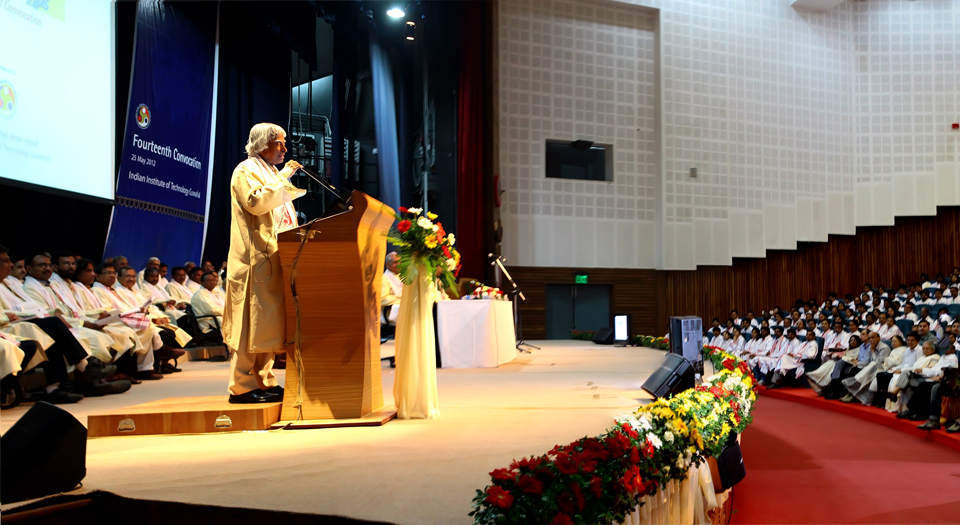
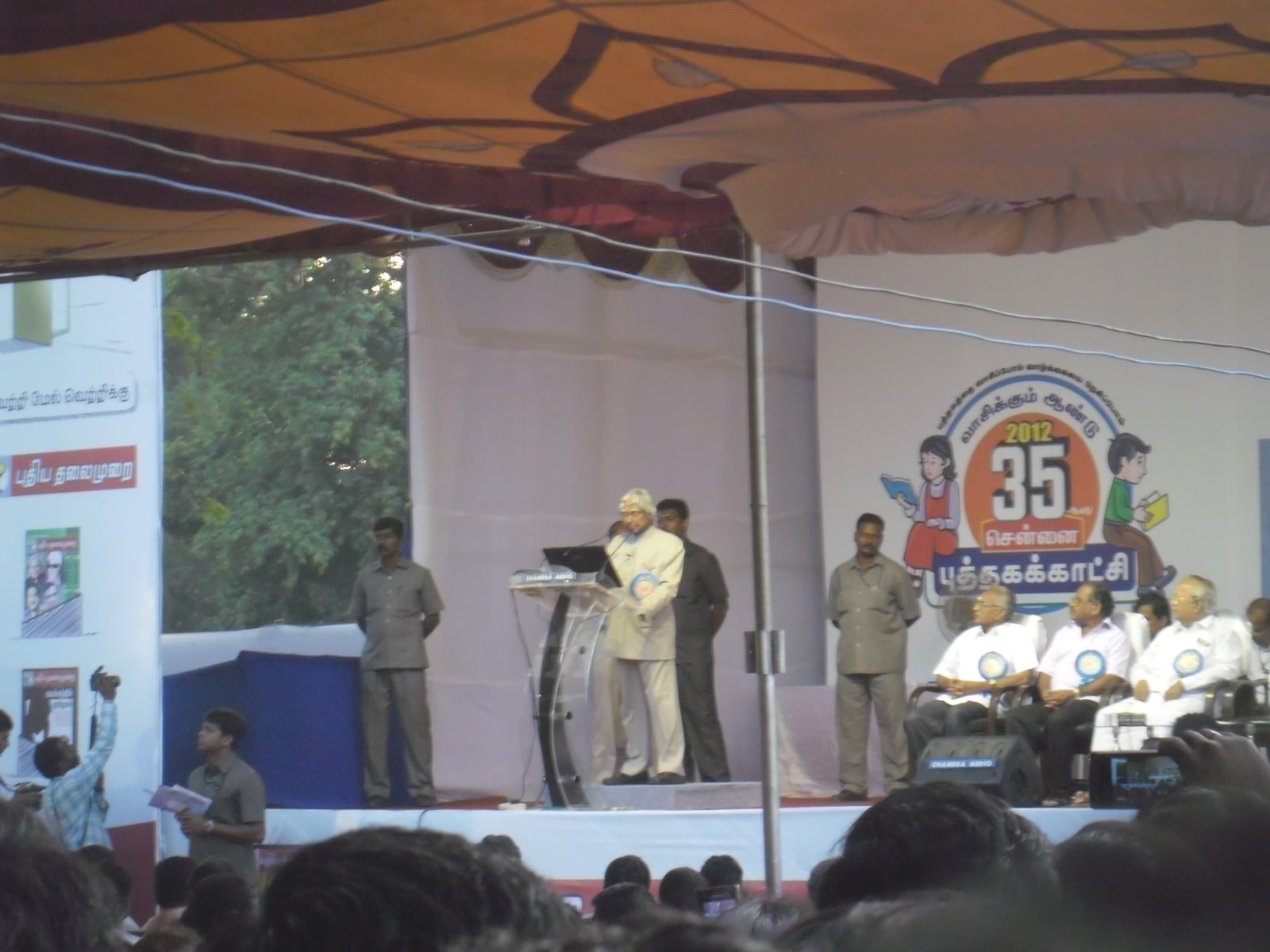
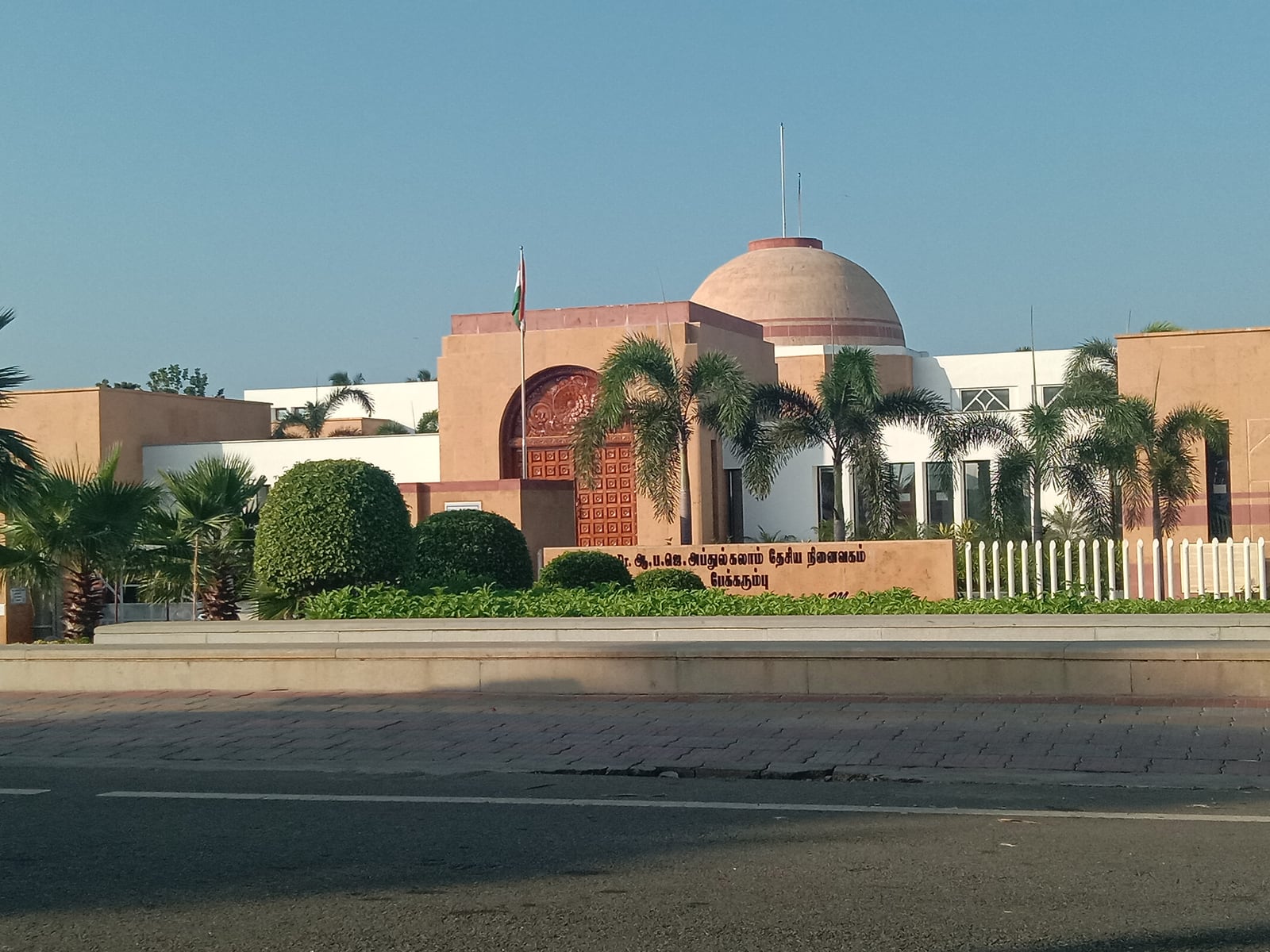
Even as President, his possessions were minimal. A veena, some books, a CD player, a laptop. He left no will. He never owned a television.
Five questions drawn at random from his life and work. A fresh set appears each round, without repeating until you have explored all questions.
Dr. Kalam personally read thousands of letters from students, scientists, and young dreamers deep into the night. Continue the dialogue: share your aim, what you are working towards, or your promise to the future of our nation and planet.